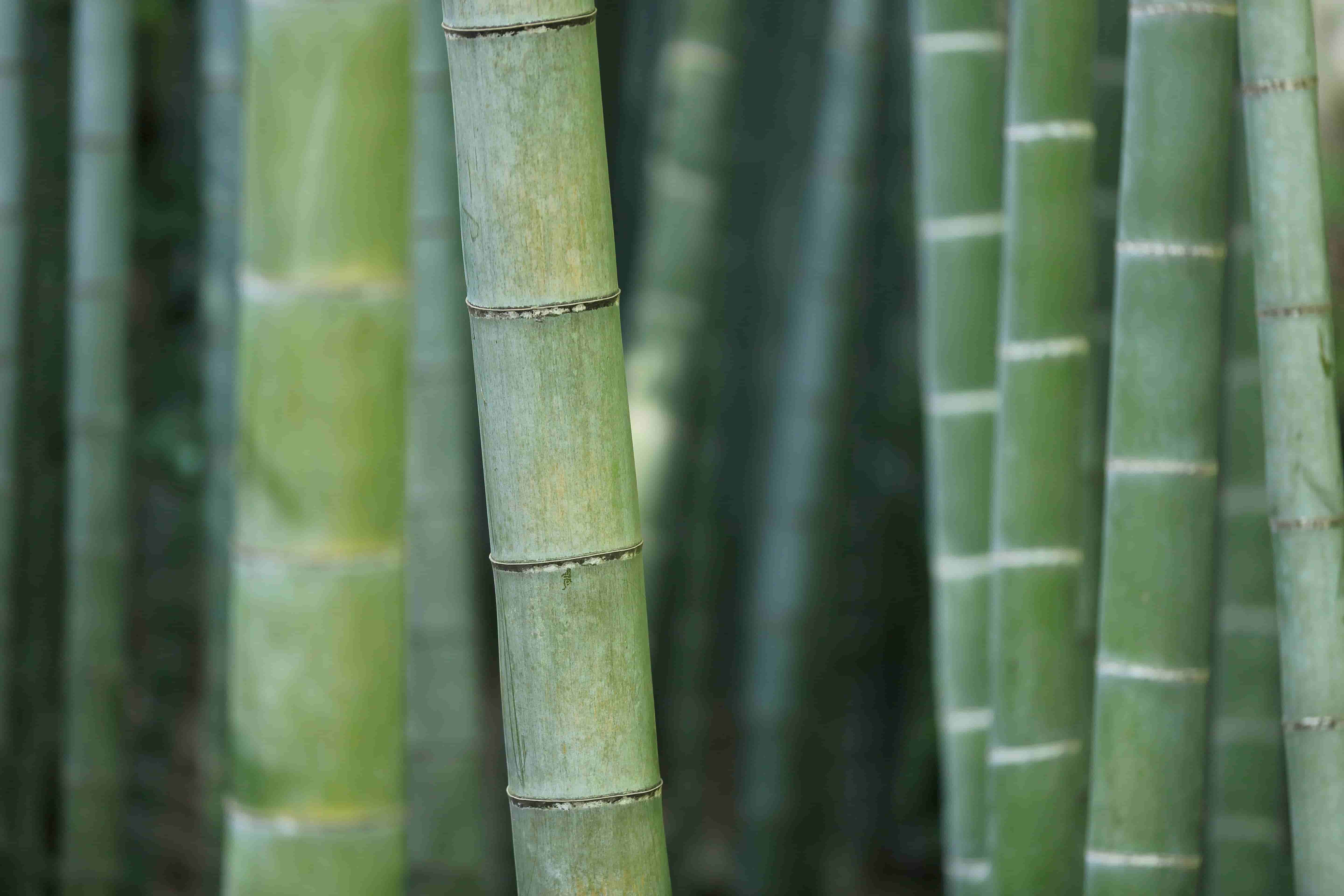


Bamboo
A Gift for a Sustainable Future




Why is bamboo the material for a sustainable future?
Stores more carbon per volume than conventional timber.
Grows rapidly, regenerates naturally, and matures in just 3–5 years.
Supports climate-positive, sustainable design.
Engineered for durability, stability, and global standards.

Bamboo Forest
High carbon storage

Manufacturing
Low-impact processing

Transportation
Low-emission logistics

Use
25-year service life

End of Life
Biomass energy recovery
Zero-Carbon Bamboo Lifecycle
Bamboo Forest — High carbon storage through fast-growing bamboo forests
Manufacturing — Low-impact, responsible processing
Transportation — Optimized logistics with reduced transport emissions
Use — 25-year service life with proper maintenance
End of Life — Energy recovery through biomass use
Bamboo renews naturally through rapid growth and regeneration.
Unlike conventional hardwoods that often require decades to reach maturity, bamboo regenerates without replanting and matures in just 3–5 years. This rapid renewal allows bamboo forests to be harvested responsibly while maintaining continuous growth, making bamboo a highly efficient and renewable alternative to traditional timber resources.

1.0 Ha Bamboo

30000 KM Driving of a Middle Class Car

Half Years Household of Energy Emissions

Bamboo’s Role in Climate Action
One hectare of bamboo can absorb approximately 5.09 tonnes of CO₂.
This is equivalent to the emissions from driving a mid-sized passenger car for 30,000 kilometers, or the carbon emissions of one household over six months.
At scale, the widespread use of bamboo helps capture and retain carbon in the built environment, making it a powerful material choice in addressing climate change.
Choosing Bamboo Is the First Step Toward a Greener Future
Choose bamboo over slow-growing timbers.
Preserve tropical forests—and build for the future.

FAQs